

There are plenty of reasons a residential boiler might break down, especially when it starts working hard during the colder months. Some problems are simple maintenance issues, while others can involve major components that wear out over time.
Here are some of the most common reasons a boiler might stop working.
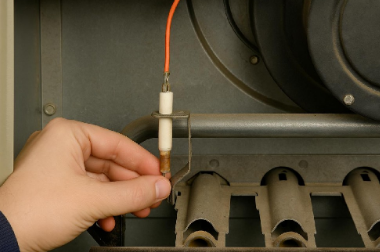
10. Dirty flame sensor or ignition problems
A dirty flame sensor, faulty igniter, or ignition failure can prevent the boiler from proving a flame and cause it to shut down or enter safety lockout.
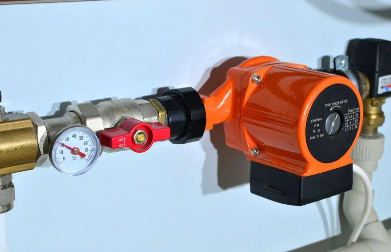
9. Circulator pump failure
The circulator moves hot water through the heating system. If it fails, certain areas of the home may not heat properly, or the boiler may overheat.
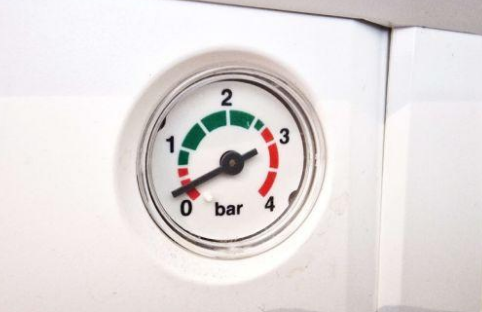
8. Low water pressure
If system pressure drops too low, the boiler may stop operating or struggle to circulate water. Leaks, expansion tank problems, or a faulty fill valve can contribute to pressure issues.
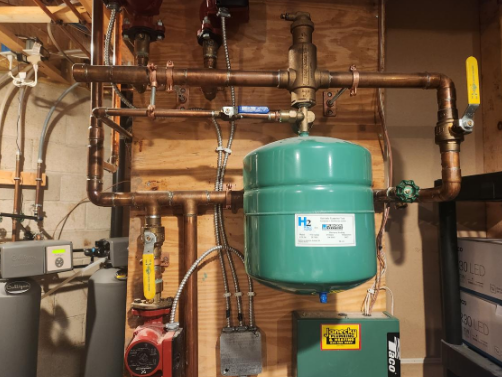
7. Expansion tank problems
A failed or waterlogged expansion tank can cause pressure to rise excessively as the water heats up. This may lead to the pressure relief valve discharging water and repeated pressure loss.

6. Faulty controls or electrical issues
A bad control board, transformer, relay, thermostat, wiring connection, or blown fuse can prevent the boiler from starting or responding to a call for heat.

5. Air trapped in the heating system
Air in the pipes can cause gurgling noises, cold radiators, uneven heating, and reduced circulation. Persistent air can also point to an underlying system issue.
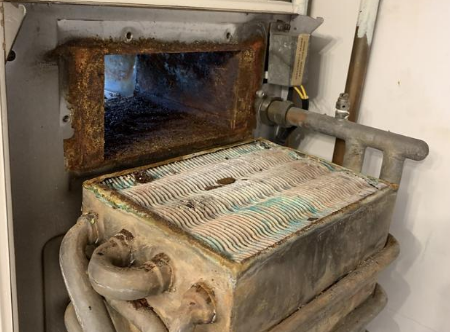
4. A dirty or failing heat exchanger
Buildup, corrosion, or damage can interfere with heat transfer and proper operation. In severe cases, a heat exchanger problem can mean an expensive repair or replacement.
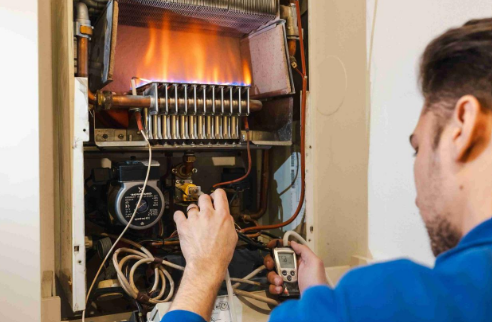
3. Gas supply or combustion problems
Insufficient gas supply, burner issues, or problems with combustion air or venting can prevent proper ignition and operation. These issues should be diagnosed by a qualified technician.
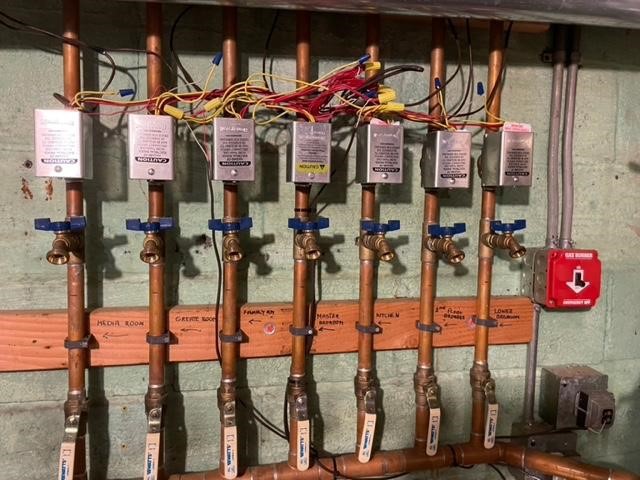
2. Zone valve or thermostat failure
In a multi-zone home, a failed zone valve, end switch, thermostat, or wiring connection can leave one area without heat even when the rest of the system works.
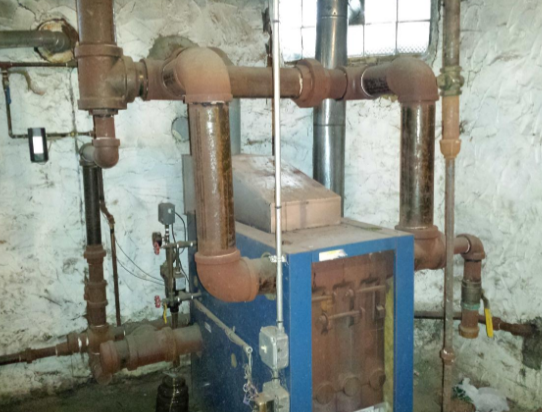
1. Age, corrosion, and lack of maintenance
Over time, components wear out, connections can leak, and corrosion can damage the boiler or related piping. Skipping annual maintenance can allow smaller problems to go unnoticed until the system fails.
How can you help prevent a boiler breakdown?
A professional boiler maintenance visit should include checks appropriate to the specific equipment, such as:
- Inspecting the burner, ignition system, and flame-proving components.
- Checking for water leaks and verifying operating pressure.
- Inspecting the circulator, expansion tank, and relief valve.
- Testing controls, thermostats, and zone operation.
- Inspecting venting and combustion safety.
- Checking system operation and identifying worn or failing components.
One important tip: Don't wait until the first freezing night to find out your boiler has a problem.
Scheduling maintenance before the heating season gets underway can help catch issues before
you need your heat the most. Rostron Premium Home Services is the number one boiler repair
and install company at the Jersey Shore.
Here’s a quick video of our technician Steve B completing a residential boiler maintenance: