

It’s a strange predicament to be in, to say the least. It’s the middle of Summer at the Jersey Shore, and your indoor coil is frozen solid. If you’ve never experienced it before, you might think we’re pulling your leg. Whether you’re in Long Branch, Toms River, or Marlboro, this can affect you!
But here comes the big question: what do you do now?
The Best Things to Do When You Have a Frozen AC System
Follow these steps if you have a frozen coil:
1. TURN THE UNIT OFF – Prevent further damage to your unit. You can also turn your thermostat
to ‘Circulate’ or ‘Fan on’ to keep your home cooler while you wait for a technician.
2. CALL THE PROFESSIONALS – Call a licensed HVAC repair company, like Rostron Premium Home
Services, to send out a technician to diagnose. Make sure you let them know it’s frozen!
3. ENSURE PROPER AIR FLOW – Checking filters, opening registers, and removing any material that
could be keeping the unit from defrosting is a good way to speed up the process.
4. MONITOR UNIT AS IT DEFROSTS – There will be a significant amount of water draining from
your unit during this process. Keep an eye on it, eliminating the opportunity for water damage.
What Causes a Frozen Coil?
Same as most HVAC repairs, there’s no single reason that could cause a frozen coil and it would be irresponsible to diagnose remotely. However, if you’re looking to understand what could cause the unit to break down in such a peculiar way, there are two common culprits.
LOW REFRIGERANT
The coil and condenser work in a push-pull relationship to remove heat from your ductwork and place it outside. If the refrigerant levels on your system are low, the heat transfer process from the indoor coil to the outside air could be affected, resulting in a frozen coil. The most common cause for low
refrigerant is a leak somewhere within the system, which could be anywhere from the condenser to the coil, or the copper line set in between.
IMPROPER AIRFLOW
Another common issue is improper airflow. Your air conditioning system is rated to cool the entire house, using the ductwork to deliver it. All parts of this process need to be in synch in order for it to work. If your ductwork is too small, your filter is clogged, or too many of your registers are closed or
blocked, it can result in a frozen coil. The return air is pulled through the ductwork and forced through the coil, cooling the air and, more importantly, warming the coil up.

How Much Does It Cost to Fix a Frozen Coil?
The cost of repairs for a frozen coil depends solely on what caused the issue. As you’ve read above, the reason for the frozen coil varies dramatically, as would the pricing for a repair. Worst case scenario, you’d need to recharge the refrigerant on your unit and possibly complete a leak search to prevent the issue from happening again. With an older refrigerant, common at the Jersey Shore, and a system that’s difficult to access, the cost might start to look like a down payment on a more efficient system. Best case scenario, though, it might be the cost of replacing a filter.
What Can I Do to Prevent a Frozen Coil?
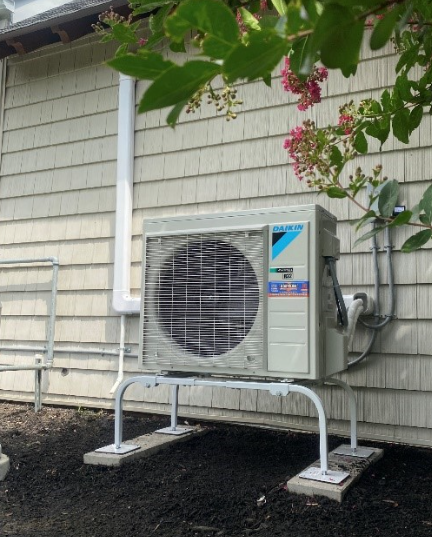
Proper HVAC maintenance is the best thing you can do to avoid preventable repairs. The ocean air along the Jersey Shore in towns like Spring Lake, Manasquan, Asbury Park, and Point Pleasant can wear systems down quicker, meaning it’s even more important to have this service completed each season. Like most family-owned, local HVAC companies, technicians from Rostron Premium Home Services will check for proper airflow and refrigerant levels. A maintenance visit is a great way to avoid for the repairs that can be prevented. For pending breakdowns, like those due to low refrigerant levels, they’ll be caught before causing any serious damage to either your home or Jersey Shore Summer Fun!
Save the Ice for Your Drinks This Summer!
Rostron Premium Home Services offers heating, cooling, plumbing, and electric services to Monmouth and Ocean Counties in New Jersey. Having an issue with your AC system this season? Looking to keep your home chilled to the perfect temperature? Give us a call at 732-223-8221 or fill out a form on our website. We look forward to hearing from you!