

If you’re considering installing a heat pump in your home, one of the first questions you probably have is: Will it actually keep my house warm when temperatures drop below freezing?
It’s a fair question, especially here along the Jersey Shore. We experience everything from mild winter afternoons to bitterly cold nights, freezing temperatures, and occasional winter storms.
Homeowners want to know that when it’s 15°F outside, their heating system isn’t going to leave them sitting in a cold house.
The short answer is yes! Modern heat pumps can heat your home even when outdoor temperatures drop below freezing. However, there are some important things every homeowner should understand before making the investment.
At Rostron Premium Home Services, we believe customers should understand exactly what they’re purchasing, how it operates, and what to expect during the winter months.
1. How Can a Heat Pump Produce Heat When It’s Freezing Outside?
This is probably the most misunderstood part of heat pump technology.
Unlike a traditional gas furnace, which creates heat by burning natural gas, a heat pump works by transferring heat from one location to another.
Even when it’s cold outside, there is still heat energy in the outdoor air. A heat pump uses refrigerant and advanced technology to extract that heat and transfer it into your home.
Think of it like an air conditioner working in reverse.
During the summer, the system removes heat from inside your home and moves it outdoors. During the winter, it reverses that process and brings heat inside.
Modern inverter-driven heat pumps are much more advanced than older generations of equipment. They can adjust their heating capacity based on the conditions outside and the heating demands inside your home.
2. What Happens When Outdoor Temperatures Drop Below 32°F?
This is where equipment selection becomes extremely important.
Older heat pump technology struggled more as outdoor temperatures dropped. Today’s cold- climate heat pumps are designed to operate in much colder conditions. Depending on the equipment, some modern systems can continue providing heat at outdoor temperatures as low as -13°F or even lower.
But here’s something customers need to understand:
Just because a heat pump can operate at a certain outdoor temperature doesn’t necessarily mean it produces the same amount of heat at that temperature as it does when it’s 45°F outside.
As outdoor temperatures decrease, the system generally has to work harder, and its available heating capacity and efficiency can decrease.
That is why choosing the correct equipment for your home and climate is so important.
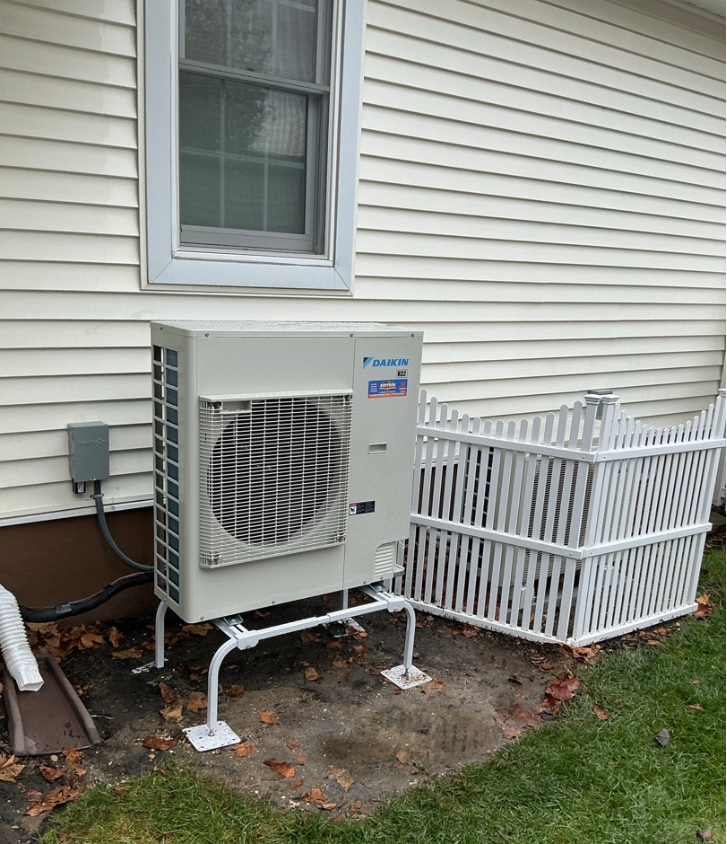
3. Do Heat Pumps Need Backup Heat? Sometimes, yes.
Depending on the equipment, home, and system design, a heat pump may be installed with an auxiliary heating source.
There are two common options:
- Electric resistance backup heat: Electric heating elements help provide additional heat when the heat pump cannot keep up with the home’s heating demand.
- Dual-fuel systems: A heat pump works alongside a gas furnace. The system can switch to the gas furnace when outdoor conditions or heating demand make it the better option.
You can also still use your boiler as back up heat as well, it really depends on your needs. Not every heat pump installation requires backup heat, but it is something that should be discussed before installation.
The goal is to make sure your home stays comfortable even during the coldest stretches of a Jersey Shore winter.
4. Will My Electric Bill Go Up?
This is another important consideration. Heat pumps run on electricity, so homeowners switching from natural gas heating should understand how their utility costs may change. However, heat pumps are extremely efficient because they transfer heat rather than generate it through traditional electric resistance heating.
Under the right conditions, a heat pump can deliver multiple units of heat energy for every unit of electricity it consumes.
That can make them very efficient compared with electric baseboard heating or electric resistance heaters.
However, your actual operating costs depend on several factors:
- The efficiency of the equipment.
- Outdoor temperatures.
- Your home’s insulation and air sealing.
- Your thermostat settings.
- The cost of electricity compared with natural gas.
- Whether auxiliary electric heat is being used.
One thing we always tell customers: Don’t judge a heat pump based on its efficiency rating alone. The actual operating cost matters, too.
5. Your Home Matters Just as Much as the Equipment
You could install an excellent heat pump, but if the system isn’t properly sized or your home has significant heat loss, you may not get the results you’re expecting.
Before installing a heat pump, several things should be evaluated:
Proper sizing: The system needs to match your home’s actual heating and cooling requirements.
Insulation: Poor insulation allows heat to escape, making the system work harder.
Ductwork: Existing ductwork needs to be properly sized and in good condition.
System design: The equipment needs to be selected based on the home’s heating requirements, not just its cooling requirements.
This is especially important in older Jersey Shore homes, where insulation levels, additions, and existing ductwork can vary considerably.
A proper heat loss calculation helps determine how much heating capacity your home actually needs.
6. What About Ice and Snow on the Outdoor Unit?
Don’t be surprised if you see frost or ice developing on your outdoor heat pump during the winter. Heat pumps periodically enter what’s called a defrost cycle. During this process, the system temporarily reverses operation to remove accumulated frost from the outdoor coil.
You may notice:
- Steam coming from the outdoor unit.
- Water dripping underneath the equipment.
- The outdoor fan temporarily stopping.
- A temporary change in how the system operates.
These are generally normal parts of heat pump operation.
However, homeowners should keep snow, leaves, and other obstructions away from the outdoor unit. Proper airflow is important, especially during the winter.
If the unit becomes heavily encased in ice and doesn’t clear itself, that’s when you should have it inspected.
7. Are Heat Pumps a Good Choice for Jersey Shore Homes?
They absolutely can be!
Modern heat pump technology has come a long way, and today’s equipment offers homeowners an excellent option for both heating and cooling.
They can be particularly attractive for homeowners looking to:
- Replace an older central air conditioning and heating system.
- Move away from oil or propane heating.
- Reduce reliance on fossil fuels.
- Improve year-round comfort.
- Take advantage of modern inverter technology.
However, a heat pump isn’t automatically the best solution for every home. Some homes may benefit from an all-electric heat pump system, while others may be better suited for a dual-fuel setup that incorporates an existing or new gas furnace.
The right answer depends on the house, the existing equipment, the homeowner’s goals, and the operating costs.
8. Choosing the Right Heat Pump Installer Is Important
Heat pumps are not simply a matter of removing an old air conditioner and installing a new piece of equipment. The heating side of the system requires careful consideration. Equipment capacity at low outdoor temperatures, airflow, ductwork, electrical requirements, backup heat, and overall system design
all matter.
At Rostron Premium Home Services, we believe in taking the time to evaluate the home and explain the available options.
We are proud to be a local company serving Monmouth and Ocean Counties, and we want our customers to understand what they’re investing in before making a decision.
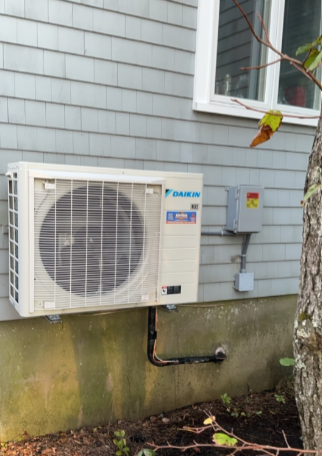
We work with leading equipment manufacturers, including Daikin, to provide homeowners with modern, high-efficiency heating and cooling solutions.
The Bottom Line: Yes, Heat Pumps Can Heat Your Home in the Winter!
Don’t let freezing outdoor temperatures automatically discourage you from considering a heat pump.
Today’s technology is far more advanced than many homeowners realize. Modern cold-climate systems can provide reliable heating even when temperatures fall well below freezing.
The important part is choosing the right equipment, making sure it’s properly sized, and having it installed correctly.
If you’re considering a heat pump for your Jersey Shore home, give Rostron Premium Home Services a call. 732-223-8221 – We’ll help you understand your options and determine whether a heat pump is the right fit for your home. Our estimates are FREE and they take about an hour for
us to meet in person.