

You want to get the most out of your heating system, right? Whether your home uses a gas furnace, boiler, heat pump, mini split, or another HVAC system, heating equipment is a major investment. Proper care and regular maintenance can help your system operate efficiently, reduce unexpected repairs, improve comfort, and potentially extend its useful lifespan.
How Can I Maximize the Lifespan of My HVAC System?
Many homeowners in Monmouth County and Ocean County, NJ ask this question after they are already dealing with an expensive heating repair. By that point, they often wish they had started taking better care of their equipment sooner. The good news? There are several things homeowners can do to help protect their heating system.
The best time to start caring for your HVAC system is when it is first installed. However, it is never too late to begin a proper heating maintenance routine.
Top 5 Ways to Extend the Life of Your Heating System:
#5: Change Your HVAC Filters Regularly
One of the easiest ways to help your furnace, heat pump, or other HVAC equipment operate properly is to replace the air filter regularly. How often should you change your HVAC filter? There isn’t one answer that applies to every home.
Your filter replacement schedule can depend on:
- The type and efficiency of the filter
- The size of your home
- How frequently your heating system operates
- The number of people living in the home
- Pets and pet hair
- Indoor air quality
- Construction or renovation activity
- Other airborne contaminants
A dirty HVAC filter restricts airflow and makes your heating system work harder to move air throughout your home. Restricted airflow can contribute to reduced efficiency, poor comfort, and additional stress on HVAC components.
Check your filter regularly and replace it when it becomes dirty. For homeowners with forced-air furnaces and heat pumps, proper airflow is especially important for maintaining heating performance.
#4: Protect Your Boiler With Proper Water Treatment
If you heat your home with a hot water boiler or hydronic heating system, water quality can have a major impact on your equipment. Boiler systems circulate water through pipes, radiators, baseboards, radiant floors, or other heating components. Depending on the water quality in your home, minerals and contaminants can contribute to scale, corrosion, buildup, and other problems. Proper boiler water treatment, filtration, and water conditioning can help protect your heating system and associated plumbing components. This is especially important for homeowners with radiant heat, baseboard heating, cast-iron radiators, or other hydronic heating systems. If you have a boiler, ask an HVAC professional whether your system would benefit from water treatment or other water-quality solutions.
#3: Keep Heating System Ventilation Clear
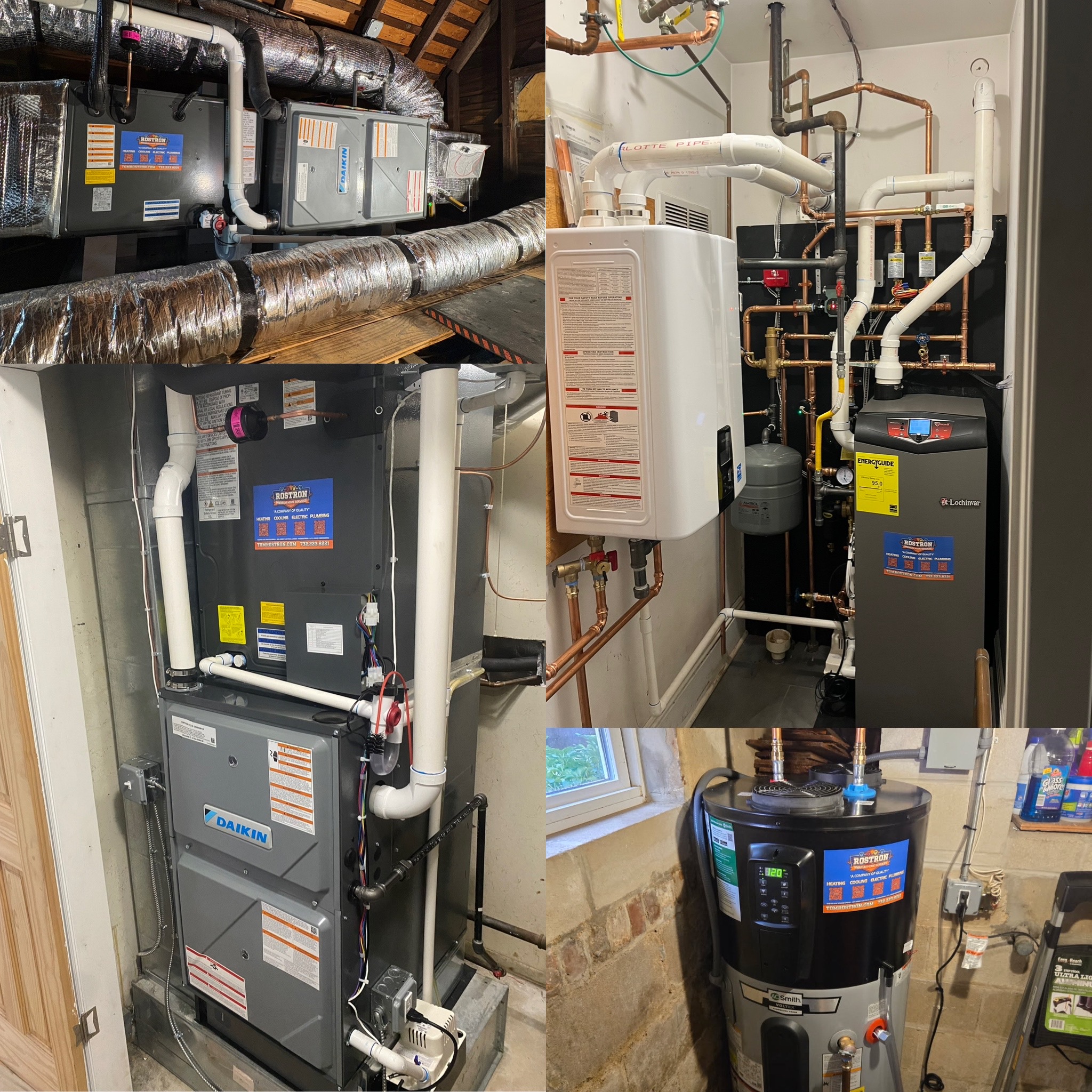
Proper ventilation is extremely important for homes with natural gas furnaces and boilers. Gas-burning heating equipment produces combustion gases that must be safely vented outside the home. Depending on the equipment and installation, exhaust may exit through the roof, sidewall, chimney, or another approved venting system.
Make sure outdoor vent terminations remain clear of:
- Leaves and debris
- Snow and ice
- Bushes and vegetation
- Patio furniture
- Stored materials
- Other obstructions
A blocked or improperly functioning venting system can prevent heating equipment from operating correctly and can create a serious safety concern.
Your heating system also needs an appropriate supply of combustion air when required by the equipment and installation. This is one reason you may see louvered or slatted doors around older furnace, boiler, or water-heater installations. Never block, modify, or cover a combustion-air opening or exhaust vent. If you are unsure whether your furnace or boiler has proper ventilation, have the system inspected by a qualified HVAC professional.
#2: Upgrade Your Thermostat
Your thermostat is essentially the control center for your heating system. It tells your equipment when to operate and helps maintain the temperature you want throughout your home. Replacing an older thermostat with a modern programmable or smart thermostat can provide several benefits.
Depending on the thermostat and HVAC equipment, you may be able to:
- Create heating schedules
- Adjust temperatures automatically
- Monitor your home remotely
- Control your system using Wi-Fi
- Reduce unnecessary heating
- Improve temperature control
- Better manage your energy usage
Some newer HVAC systems are designed to work with communicating or manufacturer-specific thermostats that can provide more advanced control of the equipment. A thermostat upgrade alone won’t magically extend the life of an aging heating system, but better control can help prevent unnecessary operation and improve overall system performance.
#1: Schedule Professional Heating Maintenance
If you want to extend the life of your heating system, regular HVAC maintenance is one of the most important things you can do. Think about your heating system the same way you think about your vehicle. You wouldn’t expect your car to run properly for years without an oil change, inspection, or other routine service.
Your furnace, boiler, or heat pump deserves the same attention. A professional heating maintenance and tune-up can allow a qualified technician to inspect the system, identify potential problems, and address maintenance concerns before they turn into larger repairs. Depending on the type of equipment, heating maintenance may include inspecting components, checking operation and safety controls, examining electrical connections, checking airflow, evaluating combustion and venting, cleaning applicable components, and identifying signs of wear. Regular maintenance can also help your HVAC technician identify smaller problems before they become major heating repairs.
Why Is Heating Maintenance Important?
Preventative HVAC maintenance can help homeowners:
- Improve heating efficiency
- Maintain reliable operation
- Improve indoor comfort
- Reduce unexpected breakdowns
- Identify worn components
- Protect your HVAC investment
- Keep equipment operating safely
- Potentially extend equipment life
For homeowners in Monmouth County and Ocean County, scheduling heating maintenance before the coldest part of the winter can also help you avoid discovering a problem when you need your system the most. Don’t Wait Until Your Heat Stops Working The worst time to think about heating maintenance is when your furnace won’t turn on, your boiler isn’t heating the house, or your heat pump isn’t keeping up with the temperature outside. Taking care of your HVAC system throughout the year can make a major difference. There is no shortcut to getting the most life out of your heating equipment. Regular maintenance, proper airflow, clean filters, good water quality, clear ventilation, and appropriate thermostat control all play a role in keeping your heating system operating properly. And remember: every heating system is different. A gas furnace, boiler, heat pump, and mini
split all have different maintenance requirements. Your HVAC professional can recommend the appropriate maintenance schedule and services for your specific equipment.
Heating Maintenance in Monmouth County & Ocean County, NJ
At Rostron Premium Home Services, we help homeowners throughout Monmouth County, Ocean County, and the Jersey Shore keep their heating systems running properly. Our HVAC professionals service and maintain furnaces, boilers, heat pumps, mini splits, and other residential heating systems. Whether you need a routine heating tune-up, furnace maintenance, boiler service, heat pump maintenance, heating repair, or help determining whether your system is ready for winter, our team is here to help. Don’t wait for the first freezing night to find out your heating system needs attention. Schedule your heating maintenance before winter arrives and give your HVAC system the care it deserves.
Rostron Premium Home Services — A Company of Quality, serving Monmouth and Ocean Counties since 1989.