

Water heaters, especially of the tanked-variety, are often seen as units that required little to no maintenance. Although it is true that they don’t require quite as much attention as a heating or cooling system, it’s important to remember that keeping them running means hot water in your home.
From inspecting the flues to make sure the system is venting properly to checking on the burners and ignitor, a check-up on your water heater is the best way to keep it running for a long time. However, one of the most important recommendations our techs make at homes up and down the Jersey Shore is a
water heater flush.
CONTAMINANTS IN JERSEY SHORE WATER
Whether you have domestic water supplied from a well or the city, there are contaminants hidden within. More often than not, they are invisible to the naked eye and can include nitrates, chlorine, and even microplastics. The most common downfall for a water heater, and a common issue at the Jersey Shore, is water hardness made up of sediment and minerals that are naturally occurring.
Tanked water heaters hold a specific amount of water, heating it from time to time so it’s ready when the homeowner needs hot water. When it does so, the sediment often settles at the bottom, building up over time.
Being that tankless units and combi boilers heat water on demand and do not hold a reserve, you might assume they are safe from the damage of the Jersey Shore’s hard water. However, these types of units are built differently, often using a heat exchanger to heat your water. Since they don’t hold any water over time, they will often run much hotter to bring the water to temperature, which can enhance the corrosive properties of sediment and minerals

WHAT IS A WATER HEATER FLUSH?
Depending on the type of water heater you have, the flush process will look dramatically different. Accessibility and set up can also impact how the process is completed.
TANKED WATER HEATERS – A proper flush of a tanked water heater includes emptying it fully from time to time to release that buildup. You may also decide to follow this process multiple times to eliminate debris sitting at the bottom of the tank.
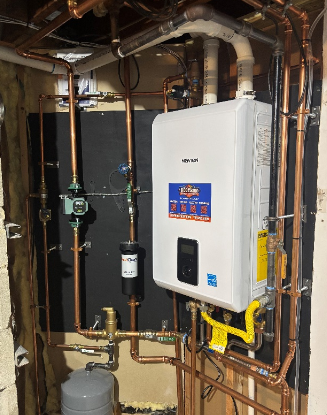
TANKLESS WATER HEATERS/COMBI BOILERS –This type of unit requires a special kind of flush that runs water through the heat exchanger, rinsing it and other integral components that heat the water in your home.
WHY DO A FLUSH OF A WATER HEATER?
Hard water, along with other impurities in your water, can be corrosive and damage the inside of your water heater. By having a flush completed, it can:
EXTEND THE LIFESPAN – Keeping your system running properly will eliminate unnecessary stress
SAVE MONEY ON UTILITY BILLS – Improve efficiency by eliminating any kind of obstruction that could be keeping your unit from running properly, like a mass of sediment at the bottom of your tank
PREVENT BREAKDOWNS – Nobody likes a cold shower
AVOID WATER DAMAGE – Water heater bursts and leaks are often caused hard water over time
DANGERS OF A WATER HEATER FLUSH
You may be thinking to yourself, “what could possibly go wrong?” Well, we’ve seen quite a bit of problems from DIY water heater flushes at the Jersey Shore. Recently, a customer in Manasquan found himself in a pickle when the shutoffs for his home were corroded, leading to a major leak in his home that he wasn’t able to turn off. A little further back, another homeowner discovered that the sediment he was trying to eliminate from his water heater was actually holding it together. By attempting a flush, the entire tank began leaking at the bottom.
Using a local, reputable company like Rostron Premium Home Services is important when it comes to water heater flushes. While it may seem like a simple project, water heaters are intricate pieces of equipment that can cause water, electrical, or fire damage in your home as well as carbon monoxide leaks.
HOW OFTEN SHOULD I FLUSH MY WATER HEATER?
The frequency in which you flush your water heater will depend on a few circumstances, but will mainly rest on the quality of water. Hard water at the Jersey Shore is common, which is why most water heaters should be flushed annually. It isn’t an exact science, but regular flushes are key to a happy and
healthy water heater.
Some water heaters will come equipped with specific add-ons that will offer similar benefits to regular flushes. For example, an anode rod, found in some tanked water heaters, is a sacrificial rod of metal that corrodes and wears away prior to prevent damage to your tank. Some tankless units are also equipped with special filters that can deter the impurities from hurting the integrity of your water heater.
PROTECT YOUR WATER HEATER
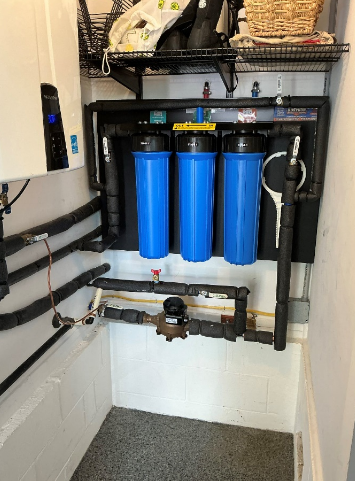
Another way to prevent your water heater from falling prey to waterborne contaminants at the Jersey Shore is by tackling the incoming water itself. There are a few options you can add to your home, including:
– WATER SOFTENERS will either remove minerals from the water that contribute to hardness or break it down enough that it won’t be able to cause issues
– WATER FILTRATION has the ability to eliminate chlorine and other chemicals in the water
– IRON REMOVERS can pull iron from the water that speeds up corrosion
INTERESTED IN A FLUSH?
If you’re interested in taking the extra step with protecting your water heater, start by reaching out to a reputable company like Rostron Premium Home Services. Set a date for a proper heat and water heater maintenance that would include a full check-up for your heating system and water heater. Give us a call at 732-374-9949 or fill out a website form here. Serving Monmouth and Ocean Counties in New Jersey.