

Winter’s over, but before we can get to the beautiful Jersey Shore Summer, we have to take a trip through the rainy season. The best way to protect your home from water damage during these wet times are to ensure your home is properly sealed (roofs, windows, etc.) and to have a proper setup for drainage. Arguably the most important part for Jersey Shore homes with a basement or crawlspace, sump pumps are devices that are situated within your home to pump away the water that would otherwise be entering your home without an invitation.
How Does a Sump Pump Work?
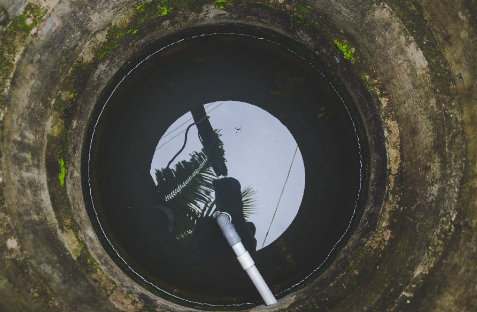
It’s actually fairly simple. When rain hits the ground surrounding your Jersey Shore home, it saturates the dirt. The water will automatically continue to float downward (thanks, gravity!) and moisten the dirt underneath, sinking lower and lower. For the rain water, there is no other way… unless there is a better path for it to take. Rain, like most natural things, will take the path of least resistance. When there is a lovely, finished basement nearby, it will opt to flow into it rather than pushing downward further into the dirt. Your sump pump, often in a “pit” that is set lower than the floor of your basement or
crawlspace, will collect that rain water in the basin. As it fills up, a small component known as a float valve will begin to rise, prompting the pump to begin its job. The water is then pushed outside and away from your home, where it is unable to reach the subterranean floors of your home.
What Powers a Sump Pump?
A basic sump pump will be powered by electricity, similar to what you might plug a phone charger into. Although, if you’ve lived in Monmouth and Ocean County for some time, you’re likely aware that heavy rains and thunderstorms often bring around something other than heavy rain. That’s right, power outages. So, what happens if the water is beginning to sneak up on your basement or crawlspace, and then the power goes out? (Don’t stress yourself out too much, keep reading!) A couple of upgrades that NJ homeowners might consider are:
– Battery Back-Up: With a special kind of sump pump, the unit will store power before
you lose power. Then, it’ll use the reserve to fuel itself for approximately 5-8 hours on
average.
– Water-Driven: This type of sump pump will use the power of water to support itself
when the electricity is unavailable. They can be more expensive, but are a great option
for homeowners that lose power for an extended period of time.
These specialty pumps are not for everyone, but they are a great option for specific NJ
homeowners who are looking for peace of mind!
What Can I Do to Prepare My Sump Pump?
The best thing you can do to prepare for the rainy season is to test your sump pump. Become the storm! Remove the lid from your sump pump if there is one and dump enough water into it to activate the float valve. After ensuring the pump engages, take a walk outside and follow the pipe that
terminates the water. Remove and debris that could be blocking the pipe if necessary. If the water is flowing properly, you’ve just simulated a rainstorm that could’ve cause water damage to your home. Luckily, your sump pump was ready to handle the load. Keeping the pit clean is also an important step to getting it ready for the season. Remove any dirt or mud from the bottom that may have snuck in with the rain water. Otherwise, it’ll be flowing through and potentially damaging the pump.

Other Ways to Prevent Rain-Related Issues
Being proactive rather than reactive can be difficult when rain-proofing your home, mainly because the best way to know if you have a leak is to see water flowing through it. However, there are a few steps you can take to make sure your home is ready:
– Roof and Vent Caps: Usually made from plastic, these caps become brittle over time
and can be prone to holes. Sealants will wear away over time, as well.
– Windows and Doors: Resealing and replacing these fixtures every so often is imperative to keeping your home moisture-free.
– Gutters and Downspouts: Make sure your gutters are free of any Fall or Winter debris.
Downspouts should be pointed away from your home, and disperse rainwater at least 5- 6 feet from the foundation.
If you discover a leak during a rainstorm, there may not be much you can do in the moment except for damage control. However, take note of exactly where the water is entering from so you can rectify the issue when things dry up. Your work will likely go untested until the following storm.
Is Your Home Ready for Summer?
Summers at the Jersey Shore come quickly. Make sure you’re ready to take it on! Rostron Premium Home Services offers heating, cooling, plumbing, and electric services to Monmouth and Ocean Counties. Give us a call at 732-223-8221 or fill out a form on our website for assistance. We are ready to help out!